Best Prep I have found. I purchased two study assistants, Compucram and Lexawise and found Lexawise to be a bit harder, trickier and better at preparing me (...) I love the variety of questions as well as the format everything is in.


2026 Illinois Real Estate Exam Prep
4,600+ Real Estate Exam Practice Questions
With Lexawise, you’ll get the industry’s largest exam prep database — 4,600+ Illinois real estate exam practice questions that mirror the real test.
Our interactive study tools, smart progress tracking, mobile app, and unlimited practice tests make learning simple and effective.
Earn your license easier than you thought possible. Start practicing today!

Everything You Need to Pass - Included In Every PlanIllinois-Focused. No Fluff!
 4,600+ Exam Questions1,000 Interactive FlashcardsUnlimited Practice TestsTimed Mock Exams65 Concept Videos100 Audio LessonsSummary eBook & Math GuidePractice by Test Topic2026 Rules & RegulationsLexa AI Chat TutorSmart ExplanationsProgress TrackeriOS & Android App30-Day No-Questions-Asked Guarantee
Smarter Tools · Flexible Prep · Guaranteed Success.
Your All-in-One Prep to Pass the Illinois Real Estate Exam
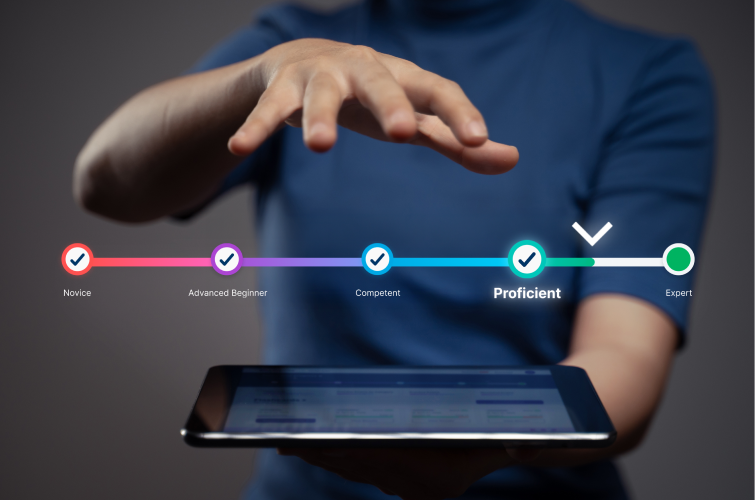
Learn Smarter with Progress Tracking
Our exam prep does more than quiz you. With smart progress tracking, you’ll always know where you stand and what to focus on next.
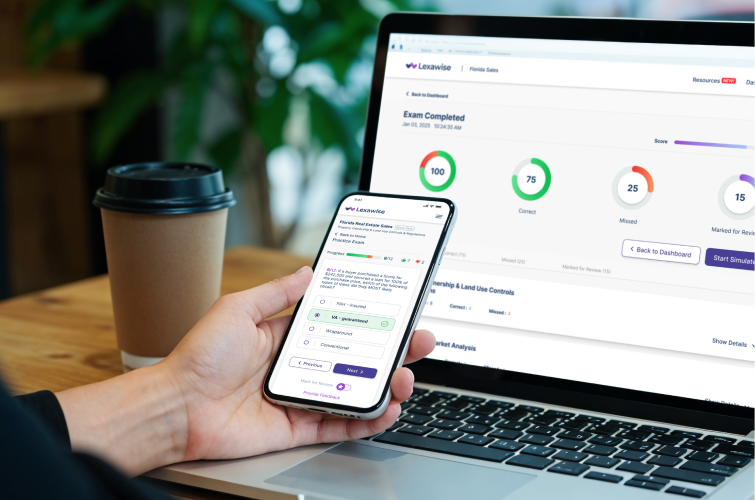
Prepare Your Way with Self-Paced Tools
Study anytime, anywhere—even on our mobile app. Practice in the format you prefer with mock exams, videos, eBooks, audio lessons, and more.

Succeed Faster with State-Focused Prep
We give you content created exclusively for the Illinois real estate exam, with questions in the same format as the state test and fully updated for 2026.
30-Day Guarantee: Love It Or Your Money Back
30-Day Guarantee: Love It Or Your Money Back
Start Your Illinois Real Estate Exam Practice
Prepare with over 4,600 practice questions, unlimited tests, timed mock exams, explainer videos, a complete Math Guide, and more. Don’t wait—get full access to Lexawise’s Illinois prep program and pass your exam on your first try!
I failed my test 3x until I got Lexawise. Then I passed! The questions are the most similar to the actual national test, and the wording is very comparable. Highly recommend, worth the money.
Everything You Need to Pass the Illinois Exam — All in One Place
4,600+ Realistic Questions
Fresh Content Every Time

1,000 Vocabulary Flashcards
Make Every Term Stick
Unlimited Tests
Practice Endlessly

Quick-Study eBook & Math Guide
Cheat Sheets to Pass

Smart Progress Tracking
Know When You're Ready

Timed Simulated Exams
Feel Like Exam Day

Topic-Specific Practice
Know Your Weak Points

Engaging Animated Videos
Learn In a Fun Way
Detailed Explanations
Clarify Any Gray Areas

Expert Audio Lessons
Study on Your Commute

Your Personal AI Chat Tutor
Instant Help, Anytime
Pass Your Illinois Real Estate Exam on the First Try!
Choose your exam type
1 WEEK
$49.00
MOST POPULAR
1 MONTH
$69.00
6 MONTHS
$89.00
Why You Need Real Estate Exam Prep for Illinois
Let's be real: just taking the pre-license course isn't enough. The exam doesn't just test definitions or concepts; it challenges you with real-world scenarios and applications of Illinois law. That's why the right prep makes all the difference.
A strong Illinois real estate license exam prep teaches you how to spot tricky questions, avoid common traps, and think like a pro. Many successful agents say: Prep courses were my secret weapon!

But not all programs are the same. For the best results, choose one with:
- Updated Illinois practice questions that reflect the latest laws.
- Expert-crafted content with clear explanations.
- Flexible study formats that include real estate flashcards, videos, audio, practice quizzes, and more.
- An Expert Customer Support that keeps you on track.
- Most importantly—a state-focused prep (don't waste time on generic or national-only materials!).
Lexawise delivers all this and more. It's like having a full Illinois real estate sample exam at your fingertips, plus the tools to master every topic and question format you'll face on test day.
With unlimited Illinois real estate exam practice tests, topic-based quizzes, Summary eBook, Math Guide, videos, audio lessons, AI Tutor, and smart progress tracking, you'll have everything to study for the licensing exam with confidence.
Our proven exam prep resources give you the complete edge, so you pass your Illinois real estate test on the first try.
Get Licensed in 3 Simple Steps
- 1
Choose your prep plan
- 2
Study with our smart tools until you're ready
- 3
Take the exam, and pass with confidence
What Do You Need to Get a Real Estate License in Illinois?
Broker:
- Be at least 18 years old.
- GED or equivalent.
- Complete the mandatory 75 hours of Real Estate coursework at a school approved by the Department of Financial and Professional Regulation, which includes:
- 60 hours of Broker Pre-License Topics.
- 15 hours of Real Estate Broker Pre-License Applied Real Estate Principles (Interactive).
- Pass the real estate broker exam.
- Secure sponsorship from a managing broker to begin practicing.
- Fees: Examination Fees = $58, License = $150.
Managing broker:
- Be at least 20 years old.
- Maintain a current, active Illinois real estate broker license.
- Have been actively licensed for no less than 2 of the last 3 years.
- Complete 30 hours of Managing Broker Pre-License Topics and 15 hours of Real Estate Managing Broker Pre-License Applied Management and Supervision (Interactive) as part of the mandatory 45 hours of the managing broker coursework at a real estate school approved by the Department of Financial and Professional Regulation.
- Fees: Examination Fees = $58, License = $250.
Want the full checklist? See more Illinois's real estate license requirements


